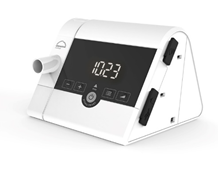


Asthma and Sleep Apnea: Can CPAP Help?
Share
Can CPAP help asthma? CPAP treats obstructive sleep apnea (OSA). If you have both asthma and diagnosed OSA, treating the sleep apnea may improve sleep and asthma-related quality of life. CPAP does not replace asthma inhalers or your asthma action plan, and it is not a treatment to start simply because you have asthma.
Asthma and sleep apnea can both interrupt sleep, but they affect different parts of the airway. This guide explains the differences, what the research says about CPAP, and when to ask your doctor about a sleep assessment.
Last updated: 16 October 2026
Are asthma and sleep apnea related?
Yes. Asthma and obstructive sleep apnea can occur together, and both can contribute to disturbed sleep. Having asthma does not mean you have OSA. Night-time symptoms need assessment because asthma, OSA and other conditions can overlap.
The National Asthma Council Australia identifies OSA among the conditions that can affect sleep in people with asthma. It also highlights that waking with asthma symptoms can indicate poor asthma control. Discuss night-time coughing, wheezing or chest tightness with your doctor rather than accepting them as normal.
What is the difference between asthma and sleep apnea?
Asthma involves inflammation and narrowing of the airways in the lungs. Obstructive sleep apnea involves repeated narrowing or collapse of the upper airway during sleep. Symptoms alone cannot reliably tell you which condition is responsible.
| Feature | Asthma | Obstructive sleep apnea |
|---|---|---|
| Airway affected | Airways within the lungs | Upper airway, usually the throat |
| Typical symptoms | Wheeze, cough, chest tightness and breathlessness | Snoring, witnessed breathing pauses, choking or gasping, and daytime sleepiness |
| Timing | Day or night; symptoms may disturb sleep | Breathing interruptions during sleep; tiredness can persist during the day |
| Assessment | Clinical assessment and lung function testing where appropriate | Clinical assessment and a sleep study where indicated |
| Management | Prescribed inhalers, trigger management and an asthma action plan | CPAP or other treatments selected for the individual following assessment |
Learn more about obstructive sleep apnea and its symptoms.
Is a CPAP machine good for asthma?
CPAP may offer additional benefits for some people with asthma who also have OSA. Its main role is to keep the upper airway open during sleep, treating the sleep apnea. Whether asthma symptoms improve varies between people.
What does the research show?
A 2018 systematic review by Davies and colleagues included 12 studies of people with both conditions. It found an improvement in asthma-related quality of life after CPAP, but results for asthma control were mixed and there was no significant improvement in the pooled lung function measure FEV1. Much of the evidence came from observational or non-randomised studies, so benefits cannot be guaranteed.
A prospective study by Serrano-Pariente and colleagues, published in Allergy in 2017 followed 99 adults with asthma and moderate to severe OSA for six months. Asthma control and quality of life improved after CPAP began. Because this was not a randomised comparison, it does not establish that CPAP alone caused the improvements.
What this means: investigate suspected OSA and treat it if recommended. Continue prescribed asthma treatment and review ongoing symptoms with your doctor.
When should you ask about a sleep assessment?
Speak with your GP if you have asthma alongside signs that may suggest OSA, including:
- Loud, regular snoring or breathing pauses noticed by another person.
- Waking with choking or gasping.
- Unrefreshing sleep or persistent daytime sleepiness.
The Sleep Health Foundation explains that a sleep study is used to confirm OSA. Your clinician can advise whether home testing or an in-laboratory study is suitable. A questionnaire or symptoms alone cannot confirm a diagnosis.
Night-time wheezing, coughing or increased reliever use also warrant an asthma review, even if you already use CPAP.
Sleep testing and CPAP support in NSW
If you are concerned about snoring or disrupted sleep, discuss your symptoms with your GP and explore NSW CPAP's home sleep test information. Check suitability before choosing a test, especially if your asthma is difficult to control or you have other respiratory conditions.
Already diagnosed with OSA and advised to use CPAP? Explore our CPAP machines or find a NSW CPAP clinic for equipment and mask support. Your treating clinician should guide your treatment and pressure settings.
Frequently asked questions about asthma and CPAP
Can CPAP replace my asthma inhaler?
No. CPAP treats OSA by keeping the upper airway open. Keep taking asthma medicines as prescribed and follow your asthma action plan. Ask your doctor before changing any medicine.
Does asthma cause sleep apnea?
Asthma and OSA can occur together, but asthma does not automatically cause sleep apnea. If you snore, gasp during sleep or remain sleepy during the day, ask your GP whether assessment is appropriate.
Do I need a sleep test before starting CPAP?
Suspected OSA should be assessed by a clinician, with a sleep study where indicated, before choosing treatment. Your doctor can explain the appropriate test and whether CPAP is suitable for you.
Can I use CPAP during an asthma attack?
Do not use home CPAP as a substitute for asthma first aid. Follow your asthma action plan and seek urgent medical help for severe or worsening breathing difficulty. In an emergency, call 000. See the National Asthma Council's asthma first aid guidance.
Sources and further reading
- National Asthma Council Australia: Sleep and asthma.
- Sleep Health Foundation: Obstructive sleep apnea.
- Davies SE et al. Respiratory Medicine, 2018;143:18–30. DOI: 10.1016/j.rmed.2018.08.004.
- Serrano-Pariente J et al. Allergy, 2017;72:802–812. DOI: 10.1111/all.13070.
This article provides general information for adults and does not replace individual medical advice. Consult your GP or respiratory/sleep specialist about diagnosis and treatment.